 01372 940128
 FREE Delivery
 VAT Included
 Bulk Discounts
 10 Year Warranty
 Rated Excellent on TrustSpot
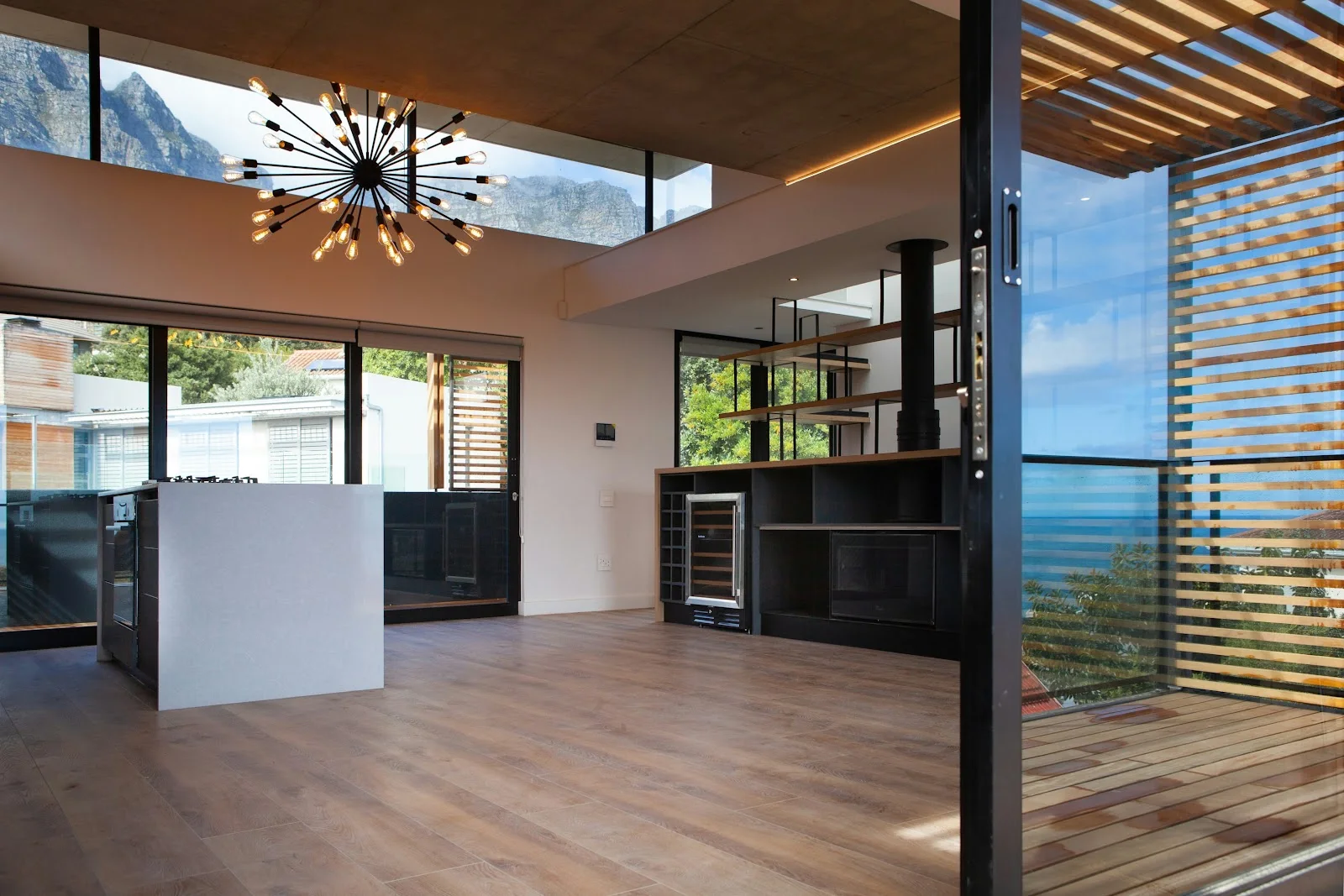
Sliding Patio Doors: Ultimate Buyer’s Guide
Sliding patio doors are more than just a stylish addition to your home – they change the way you use and experience your living space. Whether you’re opening up your garden views, bringing in more natural light, or improving your home’s energy efficiency, the right patio doors can make a noticeable difference.
But with so many options, materials, features, and finishes to consider, it can be difficult to know where to start. This guide walks you through everything you need to know before buying sliding doors – from material types like aluminium sliding patio doors and uPVC sliding patio doors to features like security, thermal performance, and customisation options.
What Are Sliding Patio Doors?
Sliding patio doors consist of large panes of glass mounted in tracks, designed to slide horizontally to open and close. They’re ideal for homes looking to create easy access between the living area and outdoor space, such as a garden, patio or balcony. Unlike French doors or bifold doors, they don’t swing in or out, which helps maximise internal and external space.
Sliding doors are known for providing uninterrupted views, improved natural light, and a sleek, contemporary appearance.
Types of Sliding Patio Doors
The two most popular materials for patio sliding doors in the UK are aluminium and uPVC. Each has its strengths, depending on your budget, property style, and performance requirements.
Aluminium Sliding Patio Doors
Aluminium sliding patio doors are often chosen for their strength, slim frames, and stylish aesthetic. Their durability allows for larger glass panels with minimal framing, creating expansive glass patio doors that offer better views and light.
Benefits of aluminium sliding doors:
- Slim sightlines: Narrow aluminium frames mean more glass and better views.
- Durable and low maintenance: Resistant to warping, rust, and UV damage.
- Customisation: Available in a wide range of finishes, including anthracite grey, black, white, and dual colours.
- Thermal efficiency: Modern aluminium doors come with thermal breaks that help reduce heat loss.
- Strength: Perfect for wider openings and heavier glazing.
Downsides:
- Generally more expensive than uPVC.
- Lower insulation levels without thermal breaks.
If you’re designing a modern home or want to bring in the maximum amount of light and openness, aluminium sliding patio doors are a strong choice.

uPVC Sliding Patio Doors
uPVC sliding patio doors are the more budget-friendly option, widely used across UK homes due to their solid thermal performance and low maintenance.
Advantages of uPVC sliding patio doors:
- Cost-effective: uPVC is less expensive than aluminium or timber.
- Energy efficient: Offers good insulation, keeping rooms warmer in winter and cooler in summer.
- Low maintenance: No repainting or sealing required – just occasional cleaning.
- Customisation options: Available in woodgrain finishes, solid colours, and traditional whites.
- Secure: Most come with a multi point locking mechanism for added safety.
Limitations:
- Thicker frames, which means slightly less glass and light.
- May not suit ultra-modern designs as well as aluminium.
If you’re looking for a practical, affordable way to update your living space, uPVC sliding patio doors are a smart solution.

Key Features to Consider
Choosing the right sliding doors is about more than just materials. Here are some features to look out for:
Energy Efficiency and Thermal Performance
Good thermal efficiency is essential for keeping your home comfortable and your energy bills down. Look for sliding doors with:
- Double or triple glazing
- Thermal breaks in aluminium frames
- A low U value (the lower the better)
- Proper weather sealing
Energy-efficient doors will help reduce cold spots and improve the overall insulation of your home, helping you meet building regulations.
Security
Modern sliding doors are one of the best patio door for security. Look for:
- Multi point locking mechanisms
- Internal beading on glass
- Toughened or laminated glazing
- Secure locking handles
Quality locking systems make your doors more secure and resistant to forced entry – particularly important for ground floor installations.
Glass Options
The glass you choose has a big impact on thermal efficiency, noise reduction, and security. Options include:
- Low-E glass: Reflects heat back into the home while letting in sunlight
- Toughened safety glass: Stronger than regular glass, designed to break safely
- Laminated glass: Two sheets of glass bonded with a plastic layer, offering extra security and soundproofing
Glazing also affects light transmission and natural light, which is important if you’re opening your doors onto a garden or patio.
Frames and Finishes
Frames don’t just hold the glass – they define the look of your doors and affect their energy performance. Slimmer aluminium frames maximise glass area, while thicker uPVC frames offer better insulation.
Both materials come in various styles, from sleek anthracite grey to traditional white. Some ranges offer dual-colour options – one colour inside, another outside – to better match your interior and exterior design schemes.
Size and Configuration
Sliding patio doors can be tailored to suit small terraces or large open-plan extensions. Common configurations include:
- 2-panel sliding doors
- 3 or 4-panel designs for wider openings
- Fixed and sliding combinations
Wider openings provide more light and a stronger connection to the outdoors. Always measure accurately and consult with a specialist for larger installations.
Maintenance
Both aluminium and uPVC are known for being low maintenance, especially compared to timber. Just wipe down the frames and clean the glass periodically to keep them looking fresh.
Sliding mechanisms may need occasional lubrication, and the multi point locking mechanism should be checked from time to time to ensure it operates smoothly.
Comparing Sliding Doors to Other Patio Door Styles
Sliding Doors vs French Doors
French doors are hinged double doors that open outwards or inwards, offering a traditional look. While elegant, they typically require more space to open fully and have a smaller glazed area compared to sliding doors.
Sliding doors are better for:
- Limited external space
- Maximising natural light
- Creating uninterrupted views
Sliding Doors vs Bifold Doors
Bifold doors fold and stack to one side, creating a fully open wall. They offer maximum access but need space to stack the panels and may have more frame lines interrupting the view.
Sliding patio doors are often more energy efficient, easier to maintain, and less expensive, especially for standard-sized openings.
Style and Aesthetics
Modern sliding doors are available in a wide range of styles, colours, and finishes. Whether you’re after something clean and minimal for a contemporary extension or something more classic to suit a cottage-style home, there’s something to suit every taste.
Popular colour choices:
- Anthracite grey for modern homes
- Cream or white for a traditional look
- Woodgrain finishes for a timber appearance without the maintenance
And if you’re replacing old doors, it’s worth considering how new sliding doors can create a stronger sense of connection between rooms and the outdoors, allowing more flexibility in how you use your living area.
Installation Considerations
Sliding patio doors should always be installed by professionals familiar with current building regulations. This ensures proper sealing, structural support, and performance.
Consider:
- Structural openings: Will you need a new lintel or wider aperture?
- Thresholds: Do you want flush thresholds for step-free easy access?
- Ventilation: Will trickle vents be included in the design?
Get multiple quotes and don’t forget to ask about warranties, especially for glass, frames, and hardware.
Final Thoughts
Sliding patio doors offer the ideal balance of light, style, and functionality. Whether you opt for aluminium for its strength and slim sightlines or uPVC for its affordability and insulation, investing in the right patio doors can transform your room, open up your garden, and make everyday life feel just that little bit better.
DoorsDirect2U have over 40 years of experience providing patio doors to suit all budgets and specifications. You can purchase with confidence safe in the knowledge all products are backed with a manufacturers guarantee.
Shop all Patio Doors Now!
FAQs
What’s the difference between aluminium patio doors and uPVC patio doors?
Aluminium patio doors typically have slimmer frames and offer a more contemporary look, while uPVC patio doors are often more budget-friendly and excellent for insulation. Aluminium is known for its strength and durability, whereas uPVC provides great thermal efficiency and requires very little maintenance. The right choice often comes down to your budget, style preferences, and the performance you want from your new doors.
Are uPVC patio doors energy efficient?
Yes, uPVC patio doors are designed with energy efficiency in mind. Modern models feature multi-chambered frames and double glazed glass units, helping to reduce heat loss. Many uPVC doors achieve low U-values, which means they help maintain a comfortable indoor temperature and can contribute to lower heating bills.
What’s a good U-value for new doors?
For new doors, a U-value of 1.6 W/m²K or lower is generally recommended to meet current UK building regulations for thermal efficiency. Both aluminium patio doors with thermal breaks and well-insulated uPVC patio doors can meet or exceed this standard, helping you create a warm, energy-efficient home.